Label Studio and Toloka cater to different aspects of AI projects, with the former focused on robust, multi-modal data labeling and the latter on crowdsourced, scalable solutions. Label Studio has 26,922 GitHub stars, which speaks to its developer popularity, while Toloka integrates human expertise extensively to address AI biases.
Best for
Label Studio is the better choice when handling versatile data types across agent traces, computer vision, and audio transcription with in-depth integrations like AWS, GCP, and Microsoft Azure.
Best for
Toloka is the better choice when seeking scalable, crowdsourced solutions for data labeling, especially in projects involving AI bias mitigation and real-time feedback-driven model improvements.
Key Differences
Verdict
Both tools excel in distinct arenas; Label Studio is superior for teams needing a diverse, feature-rich labeling tool integrated with major cloud services, while Toloka's strengths lie in its crowdsourcing capabilities and addressing AI biases. Engineering leaders should choose based on project scale and label complexity requirements.
Label Studio
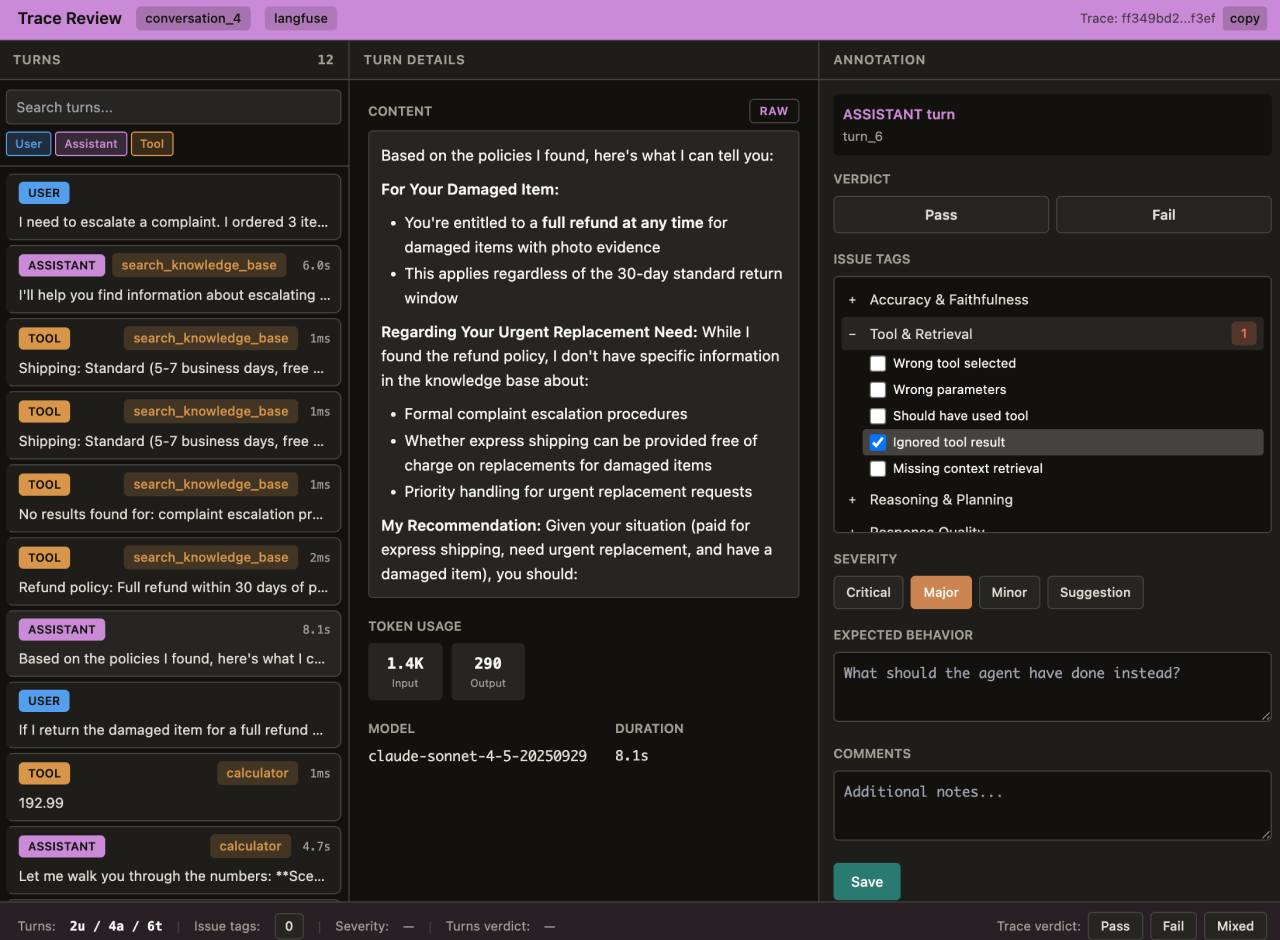
Multi-modal data labeling and annotation platform for agent traces, LLM evals, RLHF, computer vision, document AI, NLP, audio transcription, and more.
Label Studio is praised for its robust features and versatility in handling various data labeling tasks, which makes it popular among developers and data scientists. However, some users express dissatisfaction with occasional bugs and a learning curve for new users. The tool is generally perceived as offering good value for its features, though detailed sentiment on pricing is sparse. Overall, Label Studio enjoys a solid reputation as a reliable tool for effective data annotation.
Toloka
From agentic skills to coding and AI safety — we build data solutions integrating human expertise and technology to accelerate AI developmen
Toloka is praised for enhancing AI and data science projects through efficient data labeling and adaptive ML model capabilities. Social mentions emphasize its involvement in significant collaborations, like those with Hugging Face and ServiceNow, and its innovative approaches, such as hackathons and webinars on AI biases. The pricing sentiment appears neutral, with no direct feedback indicating dissatisfaction or commendation. Overall, Toloka has a positive reputation as a reliable and innovative tool for streamlining data tasks in AI projects.
Label Studio
Stable week-over-weekToloka
-50% vs last weekLabel Studio
Toloka
Label Studio
Toloka
Label Studio
Toloka
Label Studio (2)
Toloka (8)
Only in Label Studio (10)
Only in Toloka (8)
Only in Label Studio (15)
Only in Toloka (10)
Label Studio
No complaints found
Toloka
Label Studio
No data
Toloka
Label Studio
Toloka
No YouTube channel
Label Studio

Toloka
Label Studio
Toloka
How do you get AI art generators to produce amazing images that look like real art? Take a text-guided diffusion model and feed it the ideal text prompt with the right keywords 😎Take a peek at our fa
How do you get AI art generators to produce amazing images that look like real art? Take a text-guided diffusion model and feed it the ideal text prompt with the right keywords 😎Take a peek at our favorite images, then check out this paper: https://t.co/SBTl2nUnow https://t.co/Mgrw37sxwi
Shared (2)
Only in Toloka (2)
For projects requiring multi-modal and detailed annotation such as NLP or computer vision, Label Studio is preferable; for tasks needing scalable, human-driven interventions, Toloka is more suitable.
Both offer tiered pricing models, but specific user feedback on pricing is limited, indicating no major dissatisfaction or distinct advantage for either tool.
Label Studio exhibits stronger community support with 26,922 GitHub stars, while Toloka's support is more institutionally backed by partnerships with AI platforms.
While there is no direct integration, teams can potentially leverage Toloka's crowdsourcing capabilities for initial data collection and then refine outputs using Label Studio's detailed annotation tools.
Toloka may be easier for new users due to its emphasis on real-time feedback and crowdsourcing, whereas Label Studio has a reported learning curve but offers extensive feature capabilities for experienced users.